Roofing Rules in Colorado: What Boulder, CO Homeowners Should Know
Replacing a roof in Boulder, CO touches state contract law, a city license, a permit and fire rules. This guide sums up what Colorado and the City of Boulder expect of roofers, where unincorporated Boulder County and the nearby towns differ, and which rights you keep after you sign.
Short Version
Your protection comes from two layers. A short Colorado statute sets the contract paperwork, the cancel rights and the deductible ban. The City, each nearby town and Boulder County decide who may roof inside their borders and what a new roof must be made of.
- Local license, local permit. The state issues no roofing license of its own, so the one that matters is the license for your address.
- Two ways to back out. You get 72 hours after signing, and 72 more after written word that your claim was denied.
- The deductible is yours. No roofer paid with insurance money may offer to cover, waive or hand back any of it.
- Class A in the City. Wood roofs are not allowed on City homes.
This is a summary of public law, not legal advice.
Who Can Legally Roof in CO
Colorado leaves roofer licensing to local governments. Inside Boulder city limits, a roofing contractor needs a City of Boulder contractor license in the roofing class, listed as D-2, and the City does not accept licenses issued elsewhere. Unincorporated Boulder County and each nearby town run their own licenses. Questions about the D-2 class go to the City's Contractor Licensing office, 303-441-1982.
This site never checks a license and prints no license numbers, so the checking is yours:
- The license for your address. The City D-2 license inside Boulder, or the county or town license where you live.
- Proof of insurance. A certificate for general liability, plus workers' compensation if the company has employees.
- A fixed local address and references. A real office and a few recent customers nearby who will talk to you.
- Who pulls the permit. Normally the roofer; put that in the contract.
- Warranties in writing. Workmanship and material coverage, each with its length and what voids it.
- No cash-only or pay-it-all-now terms. Payments should follow the progress of the job.
The Deductible Ban, Explained
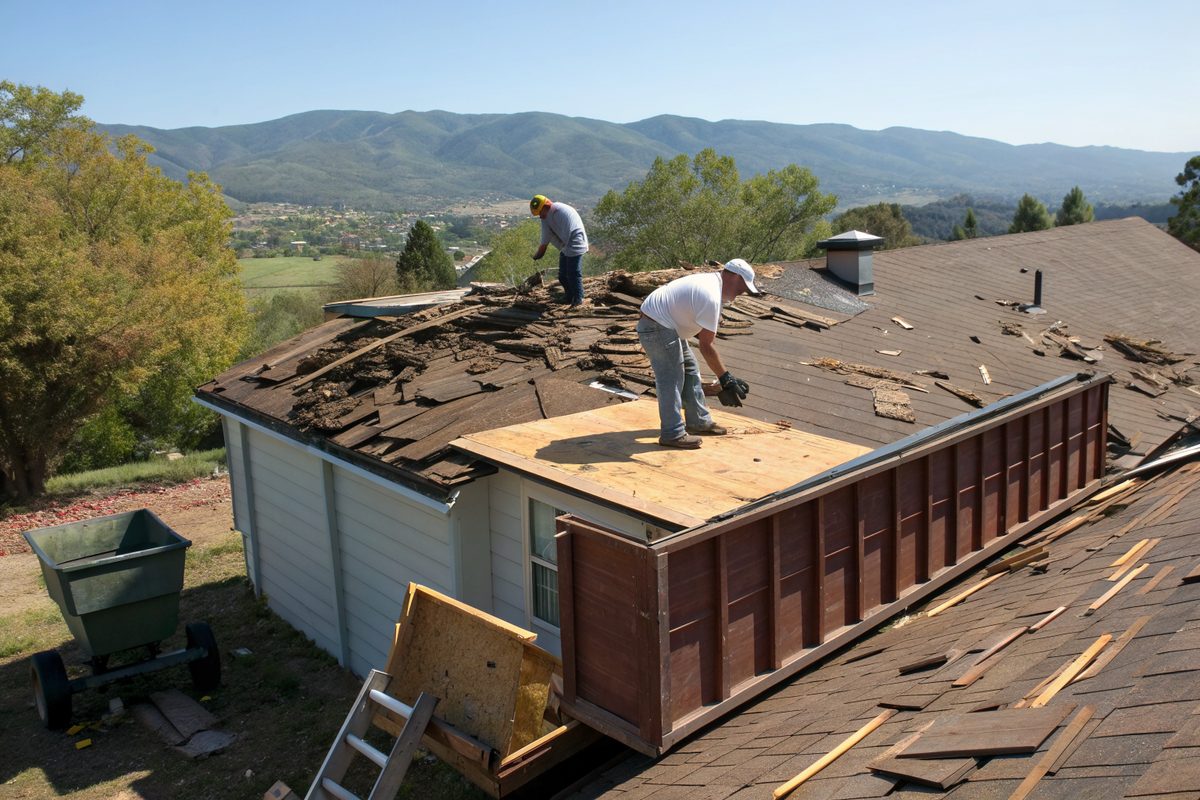
Under C.R.S. 6-22-105, a roofer paid from an insurance settlement may not advertise or promise to pay, waive or rebate all or part of your deductible. That covers a "we'll absorb it" pitch, a discount sized to cancel it out and cash handed back after the insurer pays. An offer to make your deductible vanish is a reason to walk away.
The contract has rules too. Under C.R.S. 6-22-103, residential roofing over $1,000 needs a written contract signed by both sides, listing the scope, materials, approximate dates and costs, the roofer's contact details, the cancel and refund terms, and a deductible statement.
Money you pay early is held in trust until the materials arrive or most of the work is done. Even so, spread your payments across the stages of the job rather than paying most of the bill before the old roof comes off.
Cancelling After a Claim Denial
Colorado gives you two separate 72-hour windows. The first starts when you sign a roofing contract: for the next 72 hours you may cancel it. The second, under C.R.S. 6-22-104, covers insurance-funded work. If the insurer sends written notice that the claim is denied in whole or in part, you have 72 hours from receiving it to cancel. Cancel in writing and keep a dated copy.
A roofer may not act as your public adjuster in Colorado. Under a valid contract it can discuss the repair scope with your insurer, but it cannot negotiate the claim for you. The claim is between you and your insurer, or a public adjuster or attorney you hire yourself. Keep insurance checks in your own name, and never sign over your insurance payment.
Programs That Lower the Cost
A state law created Strengthen Colorado Homes, a program meant to help homeowners pay for tougher roofs. It is not open to homeowners yet, and no amounts or dates have been announced, so be wary of anyone promising money from it today.
Some insurers give a premium credit for an impact-rated roof. Whether yours does, and how much, depends on the company and the policy, so ask your insurer before you choose a material.
Your City's Requirements
Inside city limits, roofing work larger than one square (100 square feet of roof) needs a City permit, which the roofer normally pulls through Planning & Development Services, 303-441-1880. An overlay on top of an existing layer needs a pre-roof inspection, and every roof gets a final inspection. Construction use tax on materials is paid when the permit is issued.
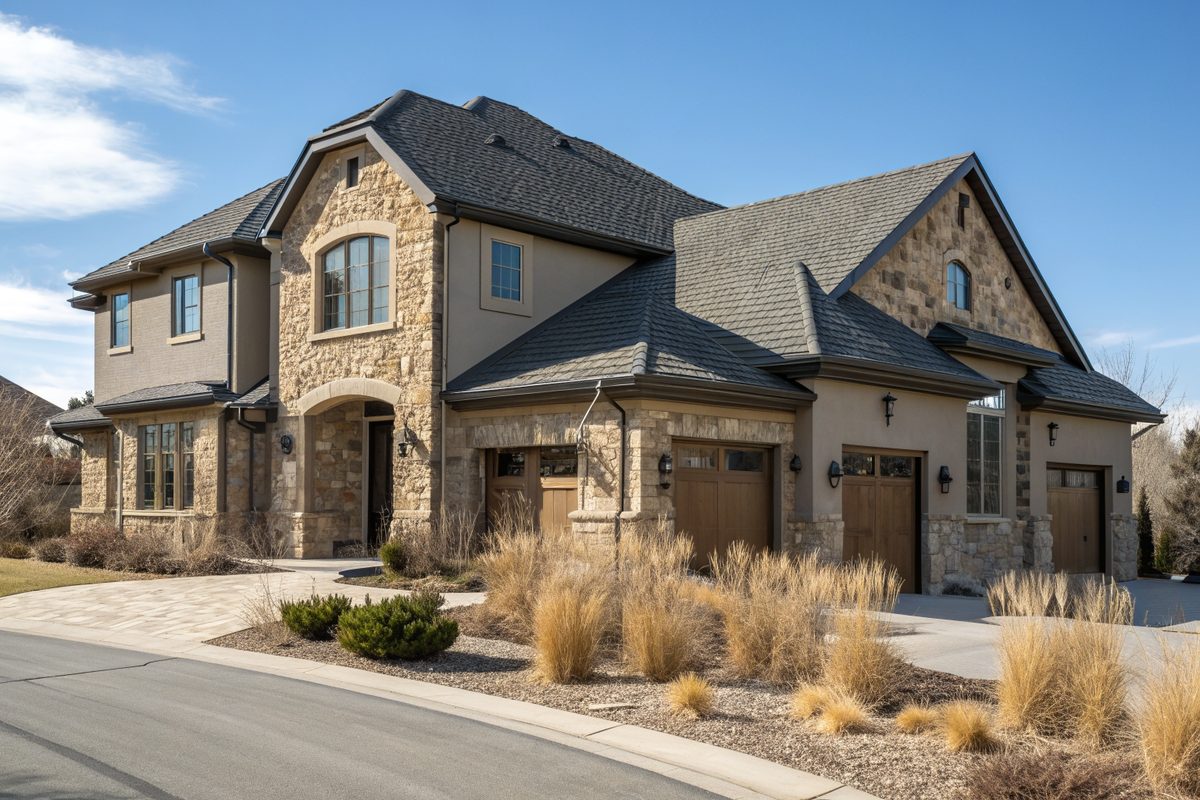
The City requires Class A roofing materials and prohibits wood roofing on homes. If your home is in the City's wildfire area, mostly near the foothills, its wildland-urban interface code has applied to permits there since August 1, 2025. Colorado law also keeps a homeowners association from banning fire-hardened roofing materials.
Re-roofing a landmarked home, or one in a historic district, needs a Landmark Alteration Certificate first, usually a staff-level review. Talk with the City's historic preservation staff before you settle on a new material.
Unincorporated Boulder County is its own jurisdiction. Its Building Safety & Inspection office, 303-441-3926, requires a permit for new or replacement roof coverings and a Class A roof in all Wildfire Zones, and runs a county roofing contractor license. Each town sets its own process:
- Lafayette, CO. Anyone roofing for someone else needs a City of Lafayette license. Class A is not confirmed here, so ask the Building Division, (303) 661-1451.
- Superior, CO. All roofs must carry a Class A rating, with mid-roof inspections. Since October 13, 2025, roofers need the Town's Specialty License. Building Department: (303) 499-3675 ext. 138.
- Erie, CO. A permit is needed to replace more than one square, and each slope being redone is replaced in full. Staff inspect re-roofs by drone. Roofers need a Town contractor license and a business license. Building Division: 303-926-2780.
- Longmont, CO. On homes, every old layer comes off, and shingles must be rated for 110 mph wind. Repairs under one square need no permit, and an owner-occupant may pull their own. Building Inspection: 303-651-8332.
- Broomfield, CO. Permits cover all construction, a re-roof has its own application, and use tax on materials is collected at permit issuance. Building Division: 303-438-6370.
Rules FAQ
Is an impact-rated roof required in the City?
No. The City's roofing rule is about fire: homes need Class A materials, and wood roofing is not allowed. An impact rating measures how a product stands up to hail, which is a separate test. Picking an impact-rated shingle or panel is your choice, and it may matter to your insurer, so ask about any credit before you decide.
How do I check a roofer's license myself?
Ask the roofer for the license that matches your address, then confirm it with the office that issued it. Inside city limits, that means the City's Contractor Licensing office and its D-2 roofing class. Outside the city, check with Boulder County or the town building office listed above, and ask for an insurance certificate while you are at it.
Where can I take a complaint about a roofer?
Put the problem to the roofer in writing first. If that goes nowhere, the Colorado Attorney General's consumer protection office takes complaints about home contractors. Questions about how an insurer handled your claim go to the Colorado Division of Insurance, and permit or inspection questions inside the city go to the City's Planning & Development Services.
Do the City rules apply in the foothills outside city limits?
Not usually. A home in unincorporated Boulder County falls under the county's Building Safety & Inspection office, its roofing contractor license and its permit for new or replacement roof coverings. In a county Wildfire Zone, the roof must be Class A. The state contract and cancel rules apply wherever you live in Colorado.
Citations
City, county and town pages were read on 2026-10-10; the state statutes were last confirmed on 2026-10-05.
- Colorado law. Roofing contract statute, claim denial statute, deductible statute.
- City of Boulder. Contractor licensing, building permits, roof inspection guide, residential permit guide, wildfire code, historic preservation FAQ, construction use tax.
- Boulder County. Building FAQ, contractor licensing.
- Nearby towns. Longmont roofing rules, Erie roof replacement, Broomfield Building Division. Lafayette and Superior details come from each town's building pages.
Need the Rules Applied to Your Roof?
Rules read differently once they meet a real house and a real policy. Send a request through the form and it goes to one independent local roofer, who can tell you which license and permit apply and put an estimate in writing. The roofer pays this site for the referral; using it costs you nothing.
Request an EstimateTake the Repair-or-Replace QuizTry the Cost Calculator
Before you talk prices, the roof replacement cost guide lays out 2026 Colorado ranges by material.